If you smile at me, I will understand
'Cause that is something
Everybody everywhere does in the same language ...
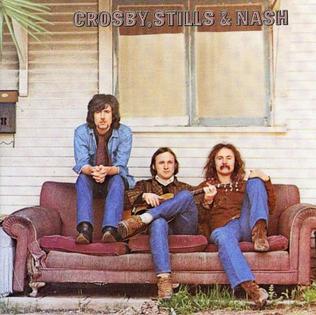
So begins the lyric of the Crosby, Stills & Nash song "Wooden Ships":
 |
| Colbert I. King |
King writes: "To me, being a Midget Rag Mop meant never having to worry about getting jumped on the playground or on the streets. It meant attracting glances from girls who otherwise wouldn’t have looked at me. It meant gaining a reputation as a young warrior, even if I couldn’t fight a lick."
When I read that, I wondered how the girls whose glances were attracted could tell the future Pulitzer Prize winner was in the Midget Rag Mops in the first place. Maybe he wore "gang colors"?
Colors, by that definition, are badges of group identity. We humans tend to slot ourselves into us-versus-them groups, no?
Race is seen, at least by racists, as a badge of identity. I'm white. If I encounter a black person, I can see by his or her face that we are of different racial identities. One of the hugest questions Americans face today is how we feel about the various "badges" of racial identity we wear and can never take off or hide: black, brown, yellow, or white skin; different colors and textures of hair; different languages and cultural identities.
But as David Crosby, Paul Kantner, and Stephen Stills wrote in "Wooden Ships," there is one "badge" of human identity that does not create an us-versus-them divide: a smile.
Let's all try an experiment: make a point of smiling, whenever the occasion presents itself, at people of a different race or ethnicity than your own. Maybe we can learn to leverage the simple act of smiling into a cure for ethnic hatred and disharmony in America.


No comments:
Post a Comment